


Flora and Fauna
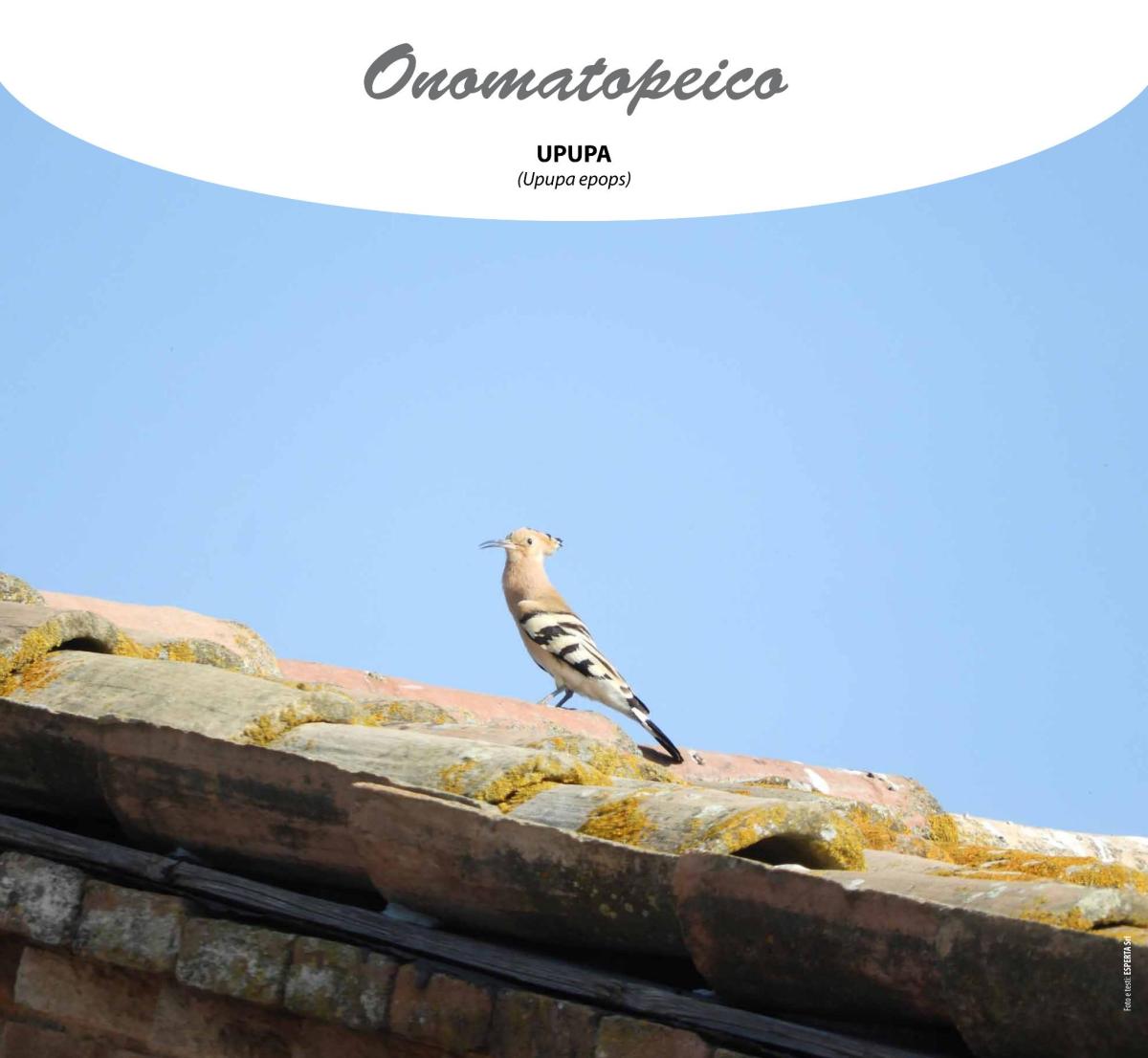
Upupa Upupa epops
Onomatopoeic
With a fan of feathers on its head, a long curved beak and black and white striped wings, the hoopoe is instantly recognisable. But what really sets it apart is its feathered crest, which it raises when alert or during courtship.
It is really easy to spot it around here: flying low over the meadows, perching on dry stone walls or rummaging in the ground in search of insects and other small invertebrates.
It loves open, warm and sunny environments: cultivated and uncultivated land, with copses, scattered old trees or rows of trees, and various man-made structures. It usually nests in natural cavities - in tree trunks or rock crevices - but it does not disdain old ruins and cracks in stone walls.
Its call is in its name: it is an unmistakable “up-up-up” that echoes on quiet days. Hearing it is a small sign that the environment here is still healthy and rich in life and that the surrounding countryside is cultivated according to tradition, leaving the hoopoe, the blue tit and many other animals to control insects that are harmful to crops.
Listen to audio file:




Progetto PNRR
[M1.C3 – INVEST. 2.2 “Architettura rurale”]
NextGenerationEU - Codice CUP: E88C22000580004