



Flora and Fauna
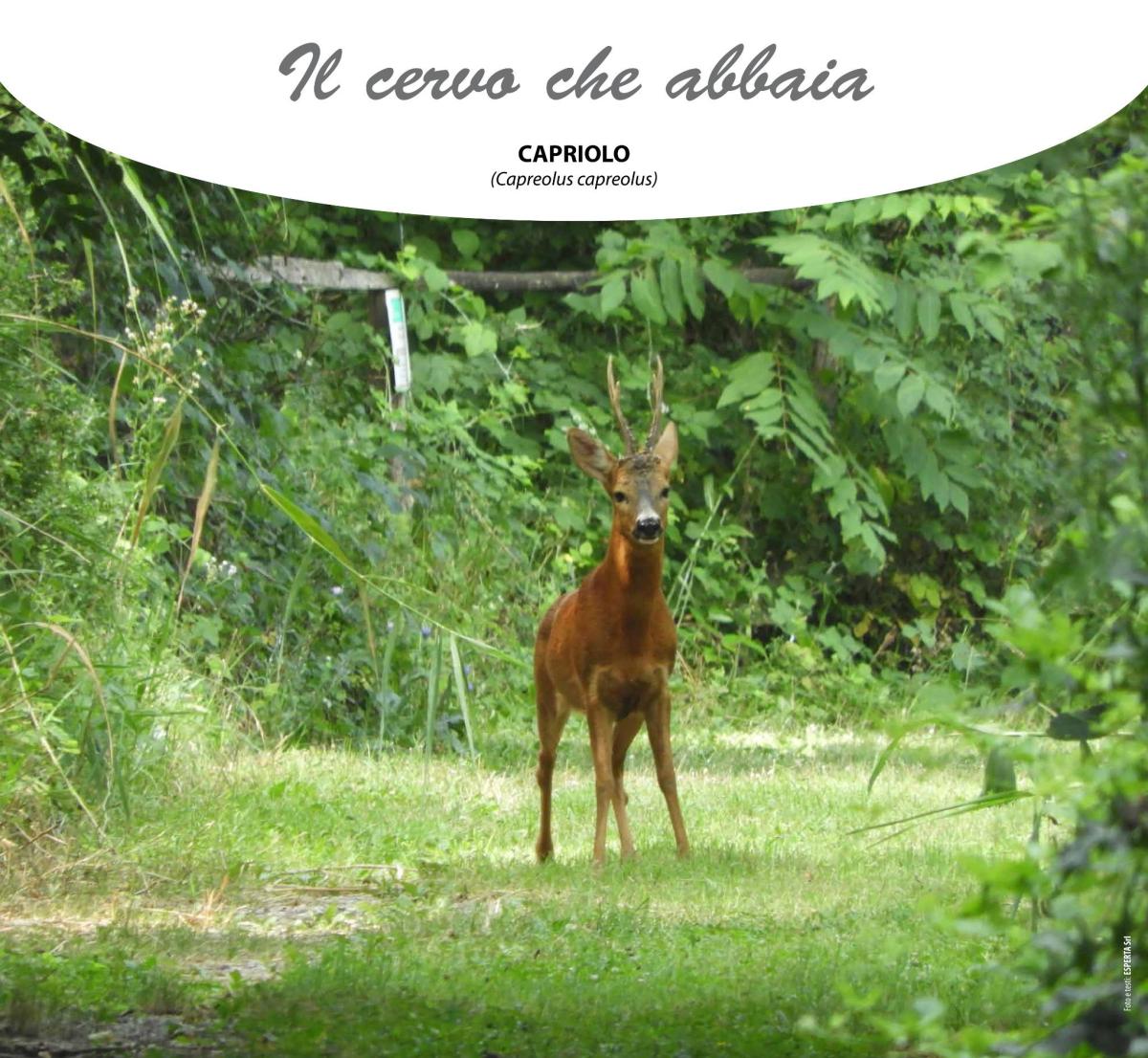
Capriolo Capreolus capreolus
The barking deer
Discreet but curious, roe deer are most often seen at dawn or dusk, when the air is cooler and quieter. With a little luck and a lot of patience, you can watch them grazing on grass and shoots in meadows and clearings.
The males have small antlers, two symmetrical beams that they shed every year in autumn and which grow back at the end of winter covered in “velvet”, a soft, highly vascularised tissue.
The fawns are born between mid-May and early June. They have a spotted coat that makes them virtually invisible to predators, which is why they remain motionless in the first weeks of life, perfectly camouflaged in the tall grass.
If you happen to find one during a walk, observe it from a distance, but do not touch it... it is not an abandoned cub and its mother will soon come to feed it.
Oh, I almost forgot... if you happen to hear it barking - yes, you heard right: barking! - you are not mistaken: it is a snapping sound it makes to signal danger or to mark its territory.
Listen to audio file:




Progetto PNRR
[M1.C3 – INVEST. 2.2 “Architettura rurale”]
NextGenerationEU - Codice CUP: E88C22000580004